 Dr Miteki Degawa
How The Vet Van runs a full veterinary practice with one vet and a van
Dr Ellen-Louise Lawrie left corporate practice to launch The Vet Van, a solo mobile practice. Here's how she handles notes, payments and cash flow on the road.
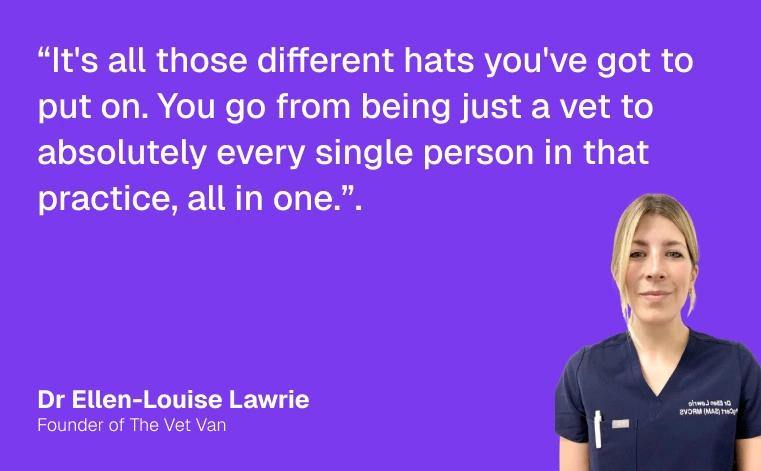
When you run a mobile practice on your own, you are the vet, the receptionist, the practice manager and the finance team, all between house calls.
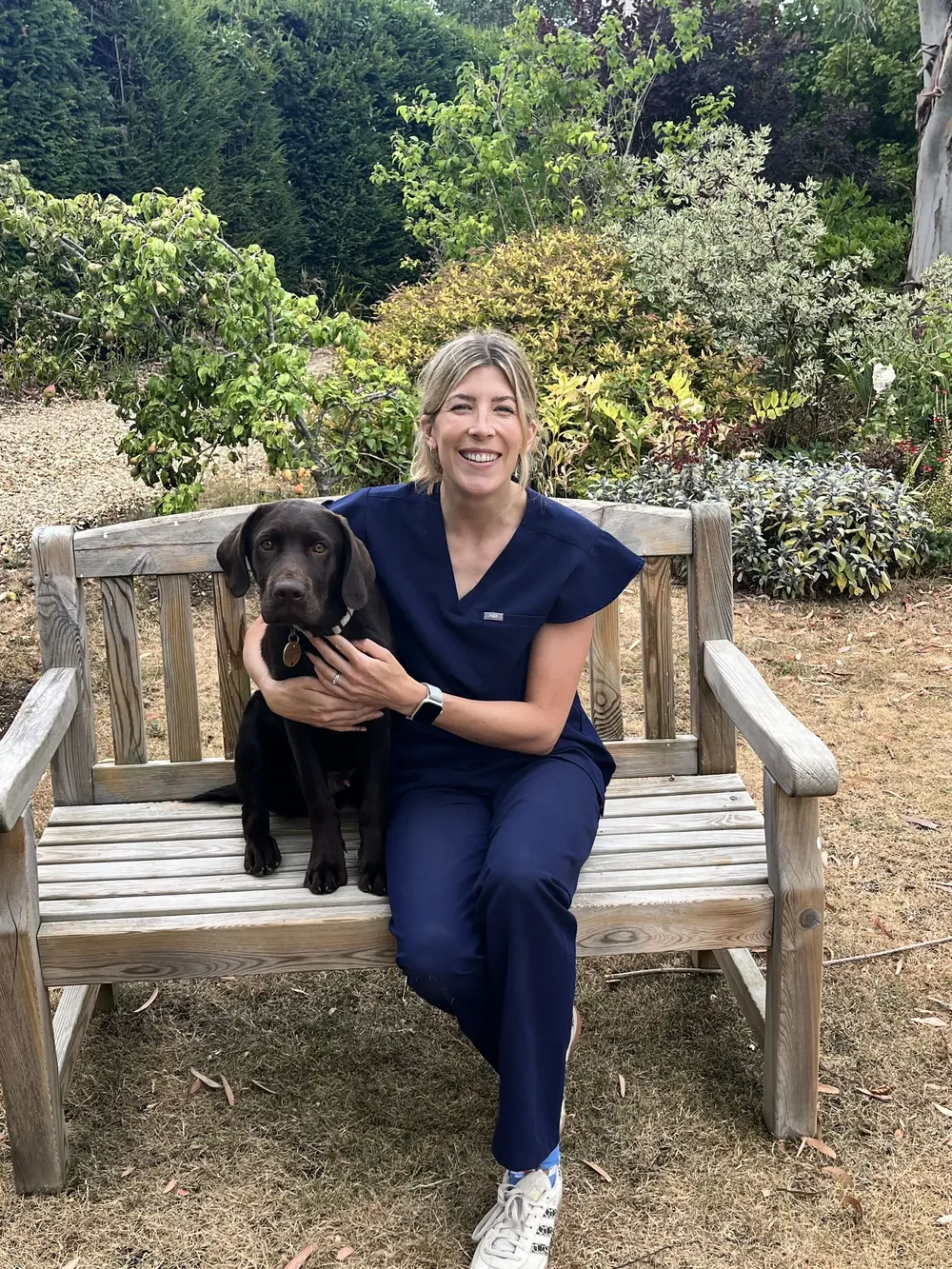
That's the job Dr Ellen-Louise Lawrie took on when she launched The Vet Van, her mobile veterinary practice. After ten years in corporate practice and a stint locuming, Elle now brings vaccinations, preventative care, sedated procedures and end-of-life care to pets in their own homes.
"It's all those different hats you've got to put on," she says. "You go from being just a vet to absolutely every single person in that practice, all in one."
Running every role alone changes what you need from a practice management system. Here's how Elle set hers up, and what it's meant for the business.
Choosing a system when there's no one to call
Locuming showed Elle more practice management systems than most vets see in a career, and it sharpened exactly what she wanted for her own practice.
"When I decided to launch The Vet Van, I really wanted a system that was intuitive, because I am not very techy, and I knew that I was going to be out there on my own. I needed a system that was logical, that I could figure out without having to be on the phone to someone all the time."
Plenty of cloud systems failed that test. "A lot of the cloud-based systems I found just completely blew my mind, and I still, to this day, don't know how to use half of them properly."
But with Lupa, it was different. "I jumped on a quick 10 to 15 minute call, and straight away I felt that I knew how to work it."
Clinical notes, written up between calls
A mobile vet's day is back to back. There's no time for admin. Time between calls is driving time, so notes either get done in the van or pile up for the evening.
Elle's answer is to let the notes write themselves while she drives. "I tend to wear my phone around my neck when I go into a consultation. I record my consultation with the owner, with their consent, and then when I get back to the van, I sit there and let it upload."
Lupa's AI scribe turns the recording into the clinical note while she's on the road to the next visit.
"It means that between calls, all my notes can get written up, which means I don't have as much to do at the end of the day."
A 100% payment record, with no reception team
Chasing payment is awkward in any practice. In someone's kitchen, with no reception desk between you and the client, it's harder still.
Elle doesn't chase. At the end of each consultation she prices everything up in Lupa, sends the client a payment link through Lupa Pay, and follows up with an automatic reminder text 24 hours later.
"So far, I've got a 100% track record of payments," she says. "People love things like Apple Pay. It's so straightforward, they almost can't get out of paying."
The part she hadn't seen before was everything working as one system. "I've never had that with a software system before, where straight away it's all interlinked. I can track absolutely everything, so I know when the payment's been made, how it's been made, and how long it's going to be until it actually gets into my bank account."
Faster settlement, better kit, bigger practice
For Elle, and really any new practice, the sooner the money lands in her account, the better. Cashflow is always important, but particularly for a young business.
Her previous payment provider settled in about a week. "With Lupa Pay, it's in my account 48 hours later, which is great, especially as a startup, when funds are quite tight and every single penny that comes in does matter."
For a new practice, that difference compounds. Elle had launched with a deferred shopping list, including the portable oxygen generator she needed for sedated procedures. Most models weigh around 30 kilos; she needed one small enough to lift in and out of the van alone, and the right unit was a serious expense.
Faster cash flow brought it forward. "Within a month, I was then doing sedations in the home. It allowed me to buy all the equipment, all the kit to be able to do that."
That one purchase widened the whole practice. Sedated procedures like grass seed removals and nail clips earn more per visit than a booster vaccination, and they changed how clients saw the business.
"It was great to be able to advertise that to clients as well. I think it made them feel like we were the real deal. We weren't just a little vet in a van driving around doing little minor bits and pieces. We were actually a proper veterinary clinic, and we could offer proper service."
What you see is not what you get
Elle's advice to vets weighing up systems comes back to how the software changes over time.
"It's a constantly evolving system," she says of Lupa. "With a lot of the other ones, what you see is what you get."
You can find Elle and The Vet Van at the-vetvan.co.uk.
Thinking about starting your own practice? Lupa gets new practices live in a day, with records, payments, client comms and AI notes in one system. Book a demo to see how it fits the way you want to work.
Dr Miteki Degawa
Dr Miteki Degawa BVSc MRCVS is a veterinary surgeon and Head of Demand Generation at Lupa. Her articles draw on 10 years clinical experience in small animal practice and first-hand knowledge of how veterinary technology shapes day-to-day practice life.
Keep reading
All articles
Veterinary workflow automation: which tasks should your PIMS automate?
Which veterinary practice workflows can run automatically, which should prepare the work for review, and which still need human judgment.

AI veterinary practice management software: what to evaluate beyond the scribe
AI in a veterinary PIMS now covers documentation, communication, billing and records. What matters is the task the AI performs, how its output gets checked, and what happens when it is wrong.

Veterinary scheduling software: what to look for beyond an online calendar
Veterinary scheduling software does more than put appointments on a calendar. The differences are in how it handles appointment rules, resources, cancellations, reminders and availability across the practice.